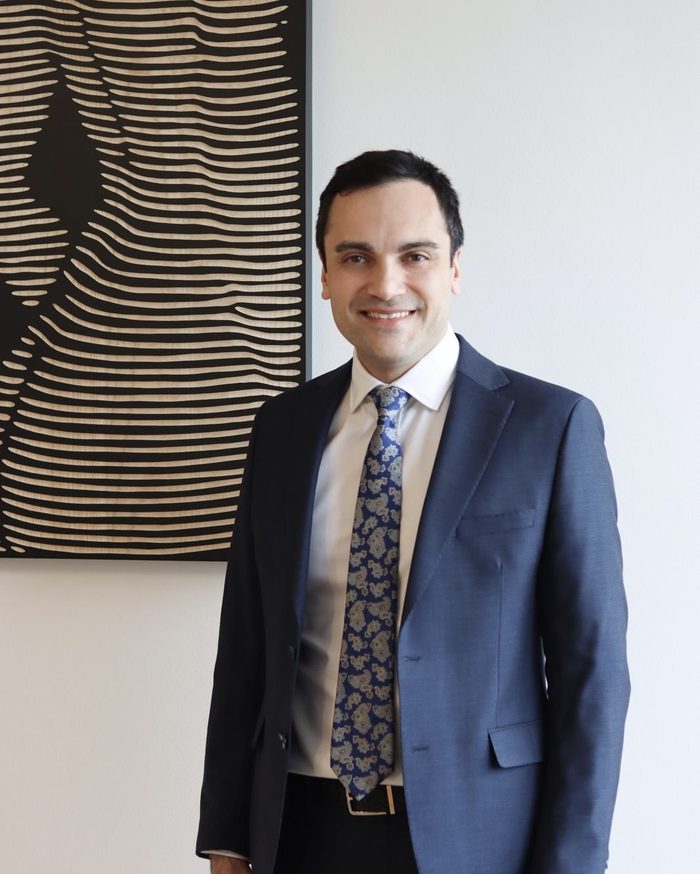
Plan 7–10 nights in Istanbul — covering surgery, early recovery, and the day-7 splint removal, which should happen before you fly. Short-haul from ~day 7; long-haul day 8–11. Preservation's gentler tissue handling often means less bruising and a more comfortable flight home. Structured remote follow-up continues at 1, 3, 6 and 12 months after you return.
How long to stay — 7–10 nights
The recommendation is consistent and it's anchored to one fixed point: the splint comes off at day 7, and that should happen in Istanbul, with the surgeon who operated on you. Everything else plans around it.
Stay 7–10 nights. Short-haul European flights are generally fine from ~day 7 after splint removal; long-haul (US, Gulf, Asia) is more comfortable from day 8–11. The constraint is cabin pressure on a fresh nose and being reachable by your surgeon early on — not blood clots, which are a low concern for facial surgery.
Your day-by-day in Istanbul
You arrive at Istanbul Airport and are met by VIP transfer to Antwell Suites İstanbul. Pre-operative bloodwork and anaesthesia clearance happen at the JCI-accredited hospital. Surgery is day 1, with one night's observation. Days 2–6 are suite-style recovery with WhatsApp access to Dr. Erdal throughout. Day 7 is splint removal and your fit-to-fly assessment.
When you can fly home
| Flight type | Comfortable window |
|---|---|
| Short-haul (under ~4 hrs, Europe) | From ~day 7 (after splint removal) |
| Long-haul (6+ hrs, US / Gulf / Asia) | Day 8–11 |
These assume an uncomplicated recovery. If you have a fixed date you must travel by, plan the surgery date backward from it with Dr. Erdal so the splint removal lands before your flight.
Why preservation makes travel easier
Here's a genuine advantage of preservation for medical travellers. Because it disrupts fewer blood vessels and less tissue than traditional hump removal — repositioning the bridge rather than removing and rebuilding it — patients typically have less bruising and swelling. That can make the flight home noticeably more comfortable and the early days easier to manage. The splint timeline is the same (day 7), so the stay length doesn't change, but many preservation patients feel more presentable sooner than they expected.
Making the flight comfortable
- Saline spray for the dry cabin air — counters congestion.
- Hydrate well; skip alcohol.
- Head elevated, don't blow your nose.
- No glasses on the bridge — bring contacts or tape them up.
- Carry your surgical summary and Dr. Erdal's WhatsApp details.
- Aisle seat for easy movement.
Follow-up after you return
You're not left alone once you fly home. Dr. Erdal's programme includes structured remote follow-up — typically WhatsApp and online consultations at 1, 3, 6, and 12 months, plus direct WhatsApp access for any questions in between. Because the final result develops over 9–12 months, this long window matters: the relationship continues through your full healing arc, not just the days you spend in Istanbul.
Frequently asked questions
Plan for 7–10 nights. This covers your arrival and pre-operative day, the surgery, the early recovery, and the day-7 splint removal — which should happen in Istanbul before you fly. Dr. Erdal sees you through this window. Because preservation rhinoplasty is less traumatic than traditional surgery, recovery is often gentler, but the 7-day splint timeline is the same, so the stay length is similar.
Most patients fly home between day 7 and day 14, after the splint comes off at day 7. Short-haul European flights are generally fine from around day 7; long-haul flights (US, Gulf, Asia) are more comfortable from day 8–11. The constraint is cabin pressure on a freshly operated nose and being reachable by your surgeon early on — not blood clots, which are a low concern for facial surgery.
Often, yes. Because preservation disrupts fewer blood vessels and less tissue than traditional hump removal, patients typically have less bruising and swelling — which can make the flight home more comfortable and the early days easier. The splint-removal timeline is the same (day 7), so you still plan for 7–10 nights, but many preservation patients find they feel more presentable sooner.
It's preferable not to. The day-7 splint removal is also when Dr. Erdal checks your healing and clears you to fly. Flying with the splint on means having it removed at home by someone who didn't perform your surgery, and travelling during the most delicate early phase away from your surgeon. Staying for the splint removal is exactly why the 7–10 night window is recommended.
Use saline nasal spray for the dry cabin air, stay well hydrated, keep your head elevated, avoid alcohol, and don't blow your nose. Skip glasses that rest on the bridge — bring contacts or tape them up. Carry your surgical summary and Dr. Erdal's WhatsApp details. An aisle seat makes moving around easier. Because preservation tends to produce less swelling, many patients find the journey home quite manageable.
Dr. Erdal's programme includes structured remote follow-up after you return — typically WhatsApp and online consultations at 1, 3, 6, and 12 months, plus direct WhatsApp access for any questions in between. Because the final result develops over 9–12 months, this long follow-up window matters. You're not left alone once you leave Istanbul; the relationship continues through the full healing arc.